
Table of Contents
Managing diabetes is not only about checking blood sugar once in a while. Blood glucose can change with food, physical activity, stress, illness, medicines, sleep, and other health factors. For someone who has consistently high readings, diabetes-related symptoms, prediabetes, or an existing diabetes diagnosis, professional medical guidance can make it easier to understand the condition and manage it appropriately.
Searching for a Diabetes Specialist in Mohali is often the first step for people who want proper evaluation, regular monitoring, and guidance based on their individual health situation. A specialist can review symptoms, medical history, blood test results, lifestyle factors, and existing treatment before recommending the next steps.
This guide explains when you may need diabetes-related medical care, which tests are commonly used, what regular diabetes management involves, and what to consider when choosing a diabetes specialist in Mohali.
What Is Diabetes and Why Does Regular Care Matter?
Diabetes is a condition in which blood glucose levels become higher than the healthy range. Glucose is an important source of energy, but persistently elevated blood sugar can affect different parts of the body over time.
There are different types of diabetes, including type 1, type 2, and gestational diabetes. The cause, treatment, and monitoring requirements can vary between individuals.
Type 2 diabetes is particularly common among adults and can develop gradually. Some people may have few or no noticeable symptoms in the early stages. This is why appropriate screening can be important for people who have risk factors or concerns about their blood sugar.
A Diabetes Specialist in Mohali can help determine which tests and follow-up may be appropriate instead of relying only on symptoms or occasional home glucose readings.
When Should You Consult a Diabetes Specialist in Mohali?
You do not necessarily have to wait until your blood sugar becomes very high before talking to a doctor. Several situations may justify a consultation.
1. Your Blood Sugar Is Frequently Elevated
If your blood glucose readings repeatedly remain above the range recommended for you, discuss them with a healthcare professional.
One isolated reading does not always provide the complete picture. A doctor may consider when the reading was taken, whether you had eaten, your previous results, medications, symptoms, and other health factors.
A Diabetes Specialist in Mohali can review these details and determine whether further testing or follow-up is appropriate.
2. You Are Experiencing Possible Diabetes Symptoms
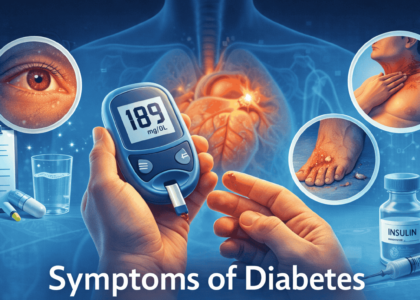
Diabetes can sometimes develop without obvious symptoms. When symptoms do occur, they may include increased thirst, frequent urination, increased hunger, fatigue, blurred vision, slow-healing sores, or frequent infections.
These symptoms do not automatically mean that someone has diabetes because several other conditions can cause similar problems. However, persistent or unexplained symptoms are worth discussing with a healthcare professional.
3. You Have Been Told That You Have Prediabetes
Prediabetes means blood glucose is above the normal range but below the diagnostic threshold for diabetes.
For non-pregnant adults, commonly used diagnostic ranges include an A1C of 5.7%–6.4% or fasting plasma glucose of 100–125 mg/dL for prediabetes.
Being told that you have prediabetes does not mean you should ignore it. Your doctor can explain your results, review your risk factors, and advise you about appropriate lifestyle changes and follow-up testing.
4. You Already Have Diabetes but Your Readings Are Changing
People who already have diabetes may notice periods when their glucose readings become more difficult to manage.
Changes may be related to:
- Changes in eating patterns
- Reduced physical activity
- Stress
- Illness or infection
- Changes in medication
- Weight changes
- Irregular sleep
- Other medical conditions
Instead of making major changes to medication on your own, discuss persistent changes with your healthcare provider.
What Does a Diabetes Specialist Check During a Consultation?
A diabetes consultation is not necessarily limited to looking at one blood sugar reading.
Depending on your circumstances, the doctor may review:
Medical History
Your previous diagnosis, medications, family history, previous test results, and other health conditions can provide important context.
Blood Sugar Records
If you monitor your glucose at home, keeping a record of readings may help your doctor understand patterns. Depending on the monitoring method, readings may be taken at different times of the day.
Symptoms
Symptoms such as excessive thirst, frequent urination, fatigue, blurred vision, unexplained weight changes, or slow-healing wounds may be discussed.
Lifestyle Factors
Food habits, physical activity, sleep, smoking, alcohol consumption, stress, and daily routines can all be relevant to diabetes management.
Other Health Risks
Diabetes care may also involve attention to blood pressure, cholesterol, kidney health, eye health, and foot health, depending on the individual’s condition and medical history.
This broader approach is one reason finding a suitable Diabetes Specialist in Mohali can be useful for ongoing care rather than treating individual blood sugar readings separately.
Which Tests Are Commonly Used for Diabetes?
Blood tests are central to diagnosing and monitoring diabetes. The appropriate test depends on the individual’s situation.
HbA1c Test
The HbA1c, or A1C, test provides an estimate of average blood glucose levels over approximately the previous three months. Unlike fasting glucose testing, fasting is generally not required for an A1C test.
For diagnosis, an A1C of 5.7%–6.4% is generally in the prediabetes range, while 6.5% or above is in the diabetes range for non-pregnant adults. Diagnosis may require confirmation with another measurement depending on the circumstances.
A1C can also be used to monitor diabetes after diagnosis.
Fasting Blood Glucose Test
A fasting plasma glucose test measures blood glucose after fasting. NIDDK notes that fasting generally means having nothing to eat or drink except sips of water for at least eight hours before the test.
A fasting plasma glucose result of 100–125 mg/dL falls within the prediabetes range, while 126 mg/dL or above falls within the diabetes diagnostic range, subject to appropriate confirmation.
Oral Glucose Tolerance Test
An oral glucose tolerance test measures how the body responds to a measured glucose load. It can be used to identify prediabetes or diabetes in appropriate circumstances.
It is also used in specific situations involving pregnancy.
Random Blood Glucose Test
A random plasma glucose test can be performed without fasting. In certain symptomatic patients, a sufficiently high result may be used as part of diabetes diagnosis.
The test chosen should depend on the patient’s symptoms and clinical situation rather than simply selecting the test that seems most convenient.
Why HbA1c Is Important for Diabetes Monitoring
Many people focus only on their fasting or post-meal glucose reading. However, an individual reading represents blood glucose at a particular moment.
HbA1c provides a longer-term picture by reflecting average blood glucose over approximately three months.
This can help healthcare professionals understand whether glucose levels have generally been stable or whether further evaluation may be needed.
However, A1C is not appropriate for every situation and can be affected by certain medical conditions. This is why test results should be interpreted by a healthcare professional rather than viewed in isolation.
How Is Diabetes Usually Managed?
Diabetes management is individualized. There is no single diet, medicine, or routine that is suitable for every person.
Balanced Eating Habits
Food choices can have a major role in blood glucose management. A balanced eating pattern should be based on the individual’s health, nutritional requirements, medications, and lifestyle.
Rather than completely eliminating particular foods without guidance, patients can discuss portion sizes, meal timing, carbohydrate intake, and overall nutrition with their healthcare team.
Regular Physical Activity
Physical activity can form an important part of diabetes management. The appropriate type and amount of exercise depend on factors such as age, fitness level, existing medical conditions, and treatment.
Someone who has complications or other health concerns should discuss suitable activity with a healthcare professional before starting a new exercise routine.
Monitoring Blood Glucose
Some people need regular blood glucose monitoring, while the frequency varies depending on their diabetes type, treatment, and individual circumstances.
Keeping a record of readings can be particularly useful when discussing changing patterns with a doctor.
Medicines When Prescribed
Some people manage diabetes with lifestyle changes, while others need medicines or insulin. Treatment depends on the type of diabetes and the individual’s health.
Medication should be taken as prescribed, and patients should not stop or change doses without discussing the decision with their healthcare provider.
Can Diabetes Affect Other Parts of the Body?
Long-term diabetes management is about more than maintaining a particular glucose reading.
Persistently high blood glucose can be associated with health problems affecting the heart and blood vessels, kidneys, eyes, nerves, and feet. Diabetes management therefore often includes attention to blood pressure, cholesterol, kidney health, eye health, and other risk factors.
The exact monitoring schedule depends on the person’s medical history and diabetes status.
This is another reason regular follow-up with a Diabetes Specialist in Mohali can be valuable for people who need ongoing diabetes care.
What Should You Bring to a Diabetes Consultation?
Preparing before your appointment can make the consultation more useful.
Consider bringing:
- Previous blood test reports
- HbA1c results
- Recent fasting or post-meal glucose readings
- Current medication details
- A list of supplements, if applicable
- Information about previous diagnoses
- A record of relevant symptoms
- Questions about your treatment or test results
If you use a home glucose meter, a record showing several readings may provide more useful information than a single measurement.
How to Choose the Right Diabetes Specialist in Mohali?
When searching for a Diabetes Specialist in Mohali, don’t focus only on the words “best” or “top” in an online listing.
Instead, consider practical factors such as:
Medical Experience
Look for an appropriately qualified doctor with experience in managing diabetes and related medical conditions.
Diagnostic Support
Easy access to relevant blood tests can make regular monitoring more convenient.
Communication
Diabetes is often a long-term condition, so being able to discuss symptoms, test results, lifestyle concerns, and treatment questions clearly with your healthcare provider matters.
Follow-Up
Good diabetes care may require periodic reviews rather than a single appointment. Consider whether the clinic provides appropriate follow-up and monitoring.
Individualized Care
Every patient’s situation is different. A good consultation should take your health history, current results, lifestyle, and other medical factors into account.
Diabetes Care at Pulse Clinics & Diagnostics
At Pulse Clinics & Diagnostics, patients in Mohali can access medical consultation and diagnostic services that may support diabetes-related evaluation and monitoring.
Diabetes care may involve regular blood glucose testing, HbA1c monitoring, and other investigations depending on the individual’s condition. Having consultation and diagnostic support available can make it easier to complete recommended testing and discuss the results with a healthcare professional.
For people searching for a Diabetes Specialist in Mohali, the goal should be to find appropriate medical guidance rather than simply choosing a doctor based on a search ranking.
When Should You Take High Blood Sugar Seriously?
A single elevated reading does not necessarily tell you everything about your health. However, repeated abnormal readings, concerning symptoms, or a previous diagnosis should not be ignored.
Seek medical advice if you are experiencing persistent symptoms such as excessive thirst, frequent urination, unusual fatigue, blurred vision, or unexplained changes in weight.
If you have already been diagnosed with diabetes, follow the monitoring and treatment plan provided by your healthcare professional.
A Practical Approach to Better Diabetes Care
Good diabetes management is built over time. It usually involves understanding your condition, completing appropriate tests, maintaining healthy daily habits, taking prescribed treatment correctly, and attending follow-up appointments when recommended.
If you are concerned about high blood sugar, have been diagnosed with prediabetes, or need ongoing diabetes management, consulting a qualified Diabetes Specialist in Mohali can help you understand what your results mean and what should be considered next.
Rather than waiting until symptoms become difficult to manage, timely medical advice can help you stay informed about your health and make decisions based on your individual circumstances.
A Note About Diabetes Testing
Diabetes should not be diagnosed solely from a home glucose-meter reading or an online symptom checklist. Diagnosis generally relies on appropriate laboratory blood testing and, in many situations, confirmation of abnormal results.
If you have concerns about your blood sugar or diabetes symptoms, speak with a qualified healthcare professional for personalized advice.