Table of Contents
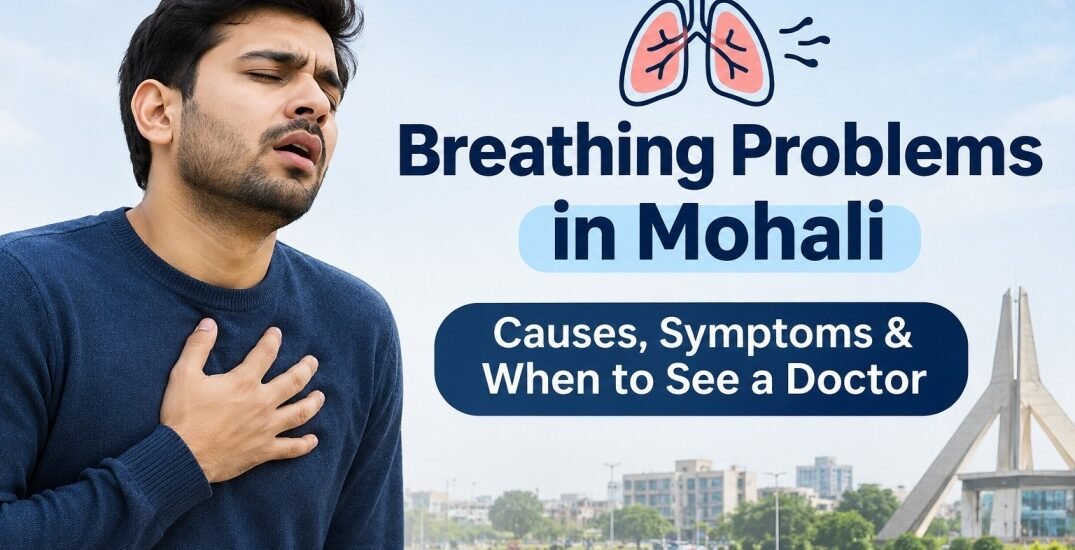
Breathing is something we usually do without thinking. However, when taking a deep breath becomes difficult, walking a short distance leaves you breathless, or a persistent cough affects your daily routine, it is important to pay attention. Breathing difficulties can develop due to several reasons, including air pollution, asthma, respiratory infections, allergies and certain heart or lung conditions.
People searching for Breathing Problems in Mohali may be experiencing symptoms such as shortness of breath, chest tightness, wheezing, coughing or difficulty breathing during physical activity. These symptoms should not be ignored, particularly when they are new, persistent or getting worse.
Changes in air quality, seasonal infections and exposure to dust and smoke can also affect respiratory health. However, not every breathing problem is caused by pollution. Identifying the actual cause is important for choosing the right treatment.
This article explains the common causes of breathing difficulties, symptoms to watch for, available diagnostic tests and when you should consult a doctor.
What Are Breathing Problems?
Breathing problems refer to difficulty breathing normally or feeling that you are not getting enough air. The medical term for this sensation is dyspnoea, commonly known as shortness of breath.
Some people experience breathlessness only during exercise or physical activity, while others may feel uncomfortable even when sitting or resting. Symptoms can develop suddenly or gradually, depending on the underlying health condition.
Common breathing-related complaints include:
- Difficulty taking a deep breath.
- Shortness of breath while walking or climbing stairs.
- Chest tightness or discomfort.
- Wheezing or noisy breathing.
- Persistent coughing.
- Feeling tired after light physical activity.
Occasional breathlessness after strenuous exercise may be normal. However, repeated or unexplained breathing difficulties should be evaluated by a healthcare professional.
Common Causes of Breathing Problems in Mohali
Several health and environmental factors can affect normal breathing. Understanding these causes can help patients recognise when medical advice is needed.
1. Air Pollution and Dust
Air pollution is an important environmental factor affecting respiratory health. Dust, vehicle emissions, construction activity, smoke and other airborne particles can irritate the airways.
People with asthma, allergies or existing lung conditions may be more sensitive to changes in air quality.
Exposure to polluted air may contribute to:
- Coughing and throat irritation.
- Wheezing and chest discomfort.
- Shortness of breath.
- Worsening of existing respiratory conditions.
If you notice that your breathing becomes uncomfortable during periods of poor air quality, consult a doctor. Pollution may be a contributing factor, but other medical causes should also be considered.
2. Asthma
Asthma is a long-term condition that affects the airways. In people with asthma, the airways can become inflamed and narrow, making it difficult for air to move normally.
Common symptoms include wheezing, coughing, chest tightness and shortness of breath. Symptoms may become worse at night, during exercise or after exposure to dust, smoke, pollen and cold air.
Asthma can affect both children and adults. With proper medical assessment and prescribed treatment, many people can manage their symptoms and continue their daily activities.
3. Respiratory Infections
Respiratory infections can affect the nose, throat, airways and lungs. Common examples include viral infections, bronchitis and pneumonia.
Depending on the infection, symptoms may include fever, cough, sore throat, mucus production, weakness and breathing difficulty.
Some infections improve with appropriate care, while conditions such as pneumonia may require specific medical treatment. Persistent fever, worsening cough or breathlessness should not be ignored.
4. Allergies and Dust Exposure
Dust, pollen, mould and other allergens can irritate the respiratory system. People with allergies may experience sneezing, a blocked nose, coughing and wheezing.
In some individuals, exposure to allergens can also trigger asthma symptoms.
If coughing or breathing discomfort repeatedly occurs after exposure to a particular environment, medical advice can help identify possible triggers.
5. Chronic Obstructive Pulmonary Disease (COPD)
COPD is a group of long-term lung conditions that make it difficult to move air in and out of the lungs. Smoking is a major risk factor, although long-term exposure to dust, smoke and harmful fumes can also contribute.
Common symptoms include persistent coughing, mucus production, wheezing and breathlessness during physical activity.
People with a long history of smoking or regular exposure to respiratory irritants should discuss ongoing symptoms with a doctor.
6. Other Medical Conditions
Breathing difficulties are not always caused by lung problems. Certain other health conditions can also affect breathing.
- Anaemia: Low haemoglobin levels can reduce the blood’s ability to carry oxygen, causing tiredness and breathlessness.
- Heart conditions: Some heart problems can cause breathlessness, especially during activity or while lying down.
- Anxiety: Anxiety and panic attacks can cause rapid breathing and a feeling of not getting enough air.
- Obesity: Excess body weight can make physical activity more demanding and contribute to breathlessness.
A proper medical examination helps distinguish between these possible causes.
Symptoms You Should Not Ignore
Breathing problems can appear in different ways. Some symptoms develop gradually, while others occur suddenly.
Watch for the following signs:
- Shortness of breath during normal activities.
- Persistent cough that does not improve.
- Wheezing or whistling sounds while breathing.
- Chest tightness or discomfort.
- Breathlessness while lying down.
- Repeated respiratory infections.
- Unusual tiredness or weakness.
If these symptoms continue or interfere with your daily routine, arrange a medical consultation.
When to seek emergency help: Severe breathing difficulty, inability to speak full sentences, chest pain or pressure, blue or grey lips, fainting or sudden confusion require immediate medical attention. Do not wait for a routine appointment in these situations.
How Are Breathing Problems Diagnosed?
The first step in diagnosing breathing difficulties is understanding the patient’s symptoms and medical history. The doctor may ask when the problem started, whether it occurs during activity or rest, and whether the patient has a history of asthma, allergies, smoking or heart disease.
Depending on the symptoms, the following investigations may be recommended.
1. Oxygen Saturation Test
A pulse oximeter is a small device placed on the finger to estimate oxygen saturation in the blood. It helps doctors assess oxygen levels, although it cannot identify the cause of breathing difficulty on its own.
2. Complete Blood Count (CBC)
A CBC test measures different components of blood, including haemoglobin, red blood cells and white blood cells. It may help identify anaemia or provide information about a possible infection.
3. Chest X-ray
A chest X-ray may be advised when the doctor suspects pneumonia or certain other lung conditions. It provides an image of the lungs and surrounding structures.
4. Spirometry Test
Spirometry is a breathing test that measures how much air a person can breathe out and how quickly they can do it. It is commonly used when asthma or COPD is suspected.
Not every patient requires all these investigations. The doctor recommends tests according to the symptoms and examination findings.
Treatment Options for Breathing Problems
Treatment depends on the underlying cause of the breathing difficulty. There is no single medicine that works for every respiratory condition.
Some common treatment approaches include:
- Asthma: Prescribed inhalers and regular medical monitoring may help control symptoms.
- Respiratory infections: Treatment depends on the type and severity of the infection.
- Allergies: Avoiding triggers and using suitable medicines may help reduce symptoms.
- COPD: Treatment may include prescribed inhalers, smoking cessation and pulmonary rehabilitation.
- Anaemia: Treatment depends on the cause and may include dietary changes, supplements or other medical care.
- Heart-related conditions: These require treatment directed at the specific heart condition.
Avoid taking antibiotics, steroids or inhalers without medical advice. The correct treatment should always be based on the diagnosis.
How to Protect Your Respiratory Health
Some everyday precautions can help reduce exposure to respiratory irritants and support better lung health.
Check air quality: Pay attention to local Air Quality Index (AQI) levels, particularly during periods of poor air quality. Limit prolonged outdoor activity when pollution levels are high.
Avoid smoking: Smoking damages the lungs and increases the risk of long-term respiratory diseases. Avoid second-hand smoke as well.
Reduce dust exposure: Keep indoor spaces clean and address dampness or mould. Use appropriate protection when working around dust or chemicals.
Follow prescribed treatment: If you have asthma or COPD, take your medicines as advised by your doctor. Do not stop treatment without consultation.
Maintain a healthy lifestyle: Eat a balanced diet, stay physically active within your limits and get adequate sleep. If you experience unexplained breathlessness, seek medical assessment before increasing exercise.
These precautions can help support respiratory health, but they cannot replace medical treatment when a health condition is present.
When to Consult a Doctor for Breathing Problems in Mohali
You should seek medical advice if you experience repeated breathlessness, persistent coughing, wheezing or chest tightness. Symptoms that become worse during everyday activities also deserve attention.
A doctor can review your medical history, examine your symptoms and recommend suitable investigations. Early assessment can help identify conditions that need treatment and prevent delays in managing an underlying health problem.
Do not assume that every breathing difficulty is caused by seasonal changes or pollution. The same symptom can have different causes in different patients.
Consult Pulse Clinics & Diagnostics, Mohali
At Pulse Clinics & Diagnostics, Mohali, patients can seek medical guidance for concerns such as persistent cough, fever, weakness, chest discomfort and breathing difficulties.
The healthcare team can assess your symptoms and guide you regarding suitable consultations and diagnostic investigations based on your condition. Depending on the medical assessment, tests such as a Complete Blood Count (CBC) and other relevant investigations may be recommended.
If you are experiencing repeated breathlessness, wheezing or respiratory symptoms, consult a healthcare professional to understand the possible cause.
For medical guidance related to Breathing Problems in Mohali, contact Pulse Clinics & Diagnostics to enquire about consultation and available diagnostic services.
If you experience severe or sudden breathing difficulty, seek emergency medical care immediately.
If you frequently experience coughing, wheezing, chest tightness or shortness of breath, it is important to understand what may be causing these symptoms. People experiencing Breathing Problems in Mohali should consider factors such as dust exposure, air pollution, allergies and existing respiratory conditions. A timely medical consultation can help identify the underlying cause and determine whether further tests are needed.
At Pulse Clinics & Diagnostics, Mohali, patients can seek medical guidance for respiratory concerns and related health issues. If you are experiencing persistent Breathing Problems in Mohali, consult a healthcare professional for an appropriate assessment. Getting the right advice at the right time can help you manage your symptoms and take better care of your respiratory health.
Final Thoughts
Breathing difficulties can affect people of different age groups and may develop due to air pollution, asthma, allergies, respiratory infections, COPD, anaemia or heart conditions.
The most important step is to identify the underlying reason rather than treating symptoms without medical advice. If you experience persistent coughing, wheezing, chest tightness or shortness of breath, consult a healthcare professional.
If you are experiencing Breathing Problems in Mohali, timely medical assessment can help identify the cause, determine whether further investigations are needed and support appropriate care.